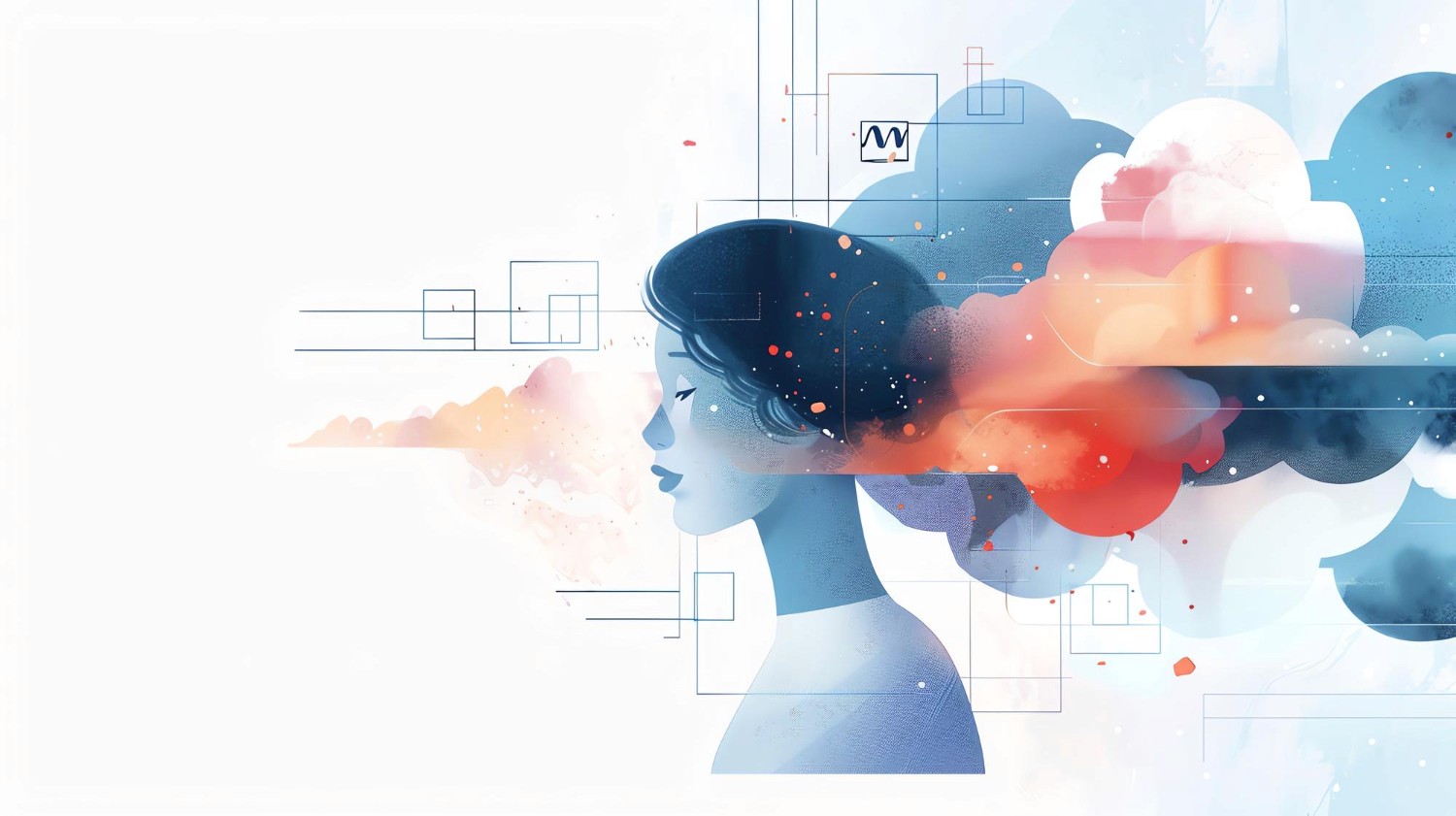
Digital products are often evaluated based on how intuitive and effortless they feel. However, behind every intuitive experience lies a deep understanding of human psychology. Great UX design is not just about aesthetics or usability; it is about designing systems that align with the way people think, decide, and behave.
Understanding psychological principles allows designers to create experiences that feel natural, reduce friction, and support users in completing their goals efficiently.
Understanding Cognitive Load
Human brains have limited capacity to process information. When interfaces present too many choices, complicated flows, or dense information, users experience cognitive overload. This often results in confusion, errors, or abandonment of the task.
Designers must therefore structure information in a way that minimizes mental effort. Techniques such as progressive disclosure, clear hierarchy, and step-by-step workflows help users process information gradually rather than all at once.
A well-designed interface does not require users to think harder; it helps them think less.
Mental Models and User Expectations
Users approach digital products with existing expectations shaped by their previous experiences with technology. These expectations form what psychologists call mental models.
For example, most users expect:
A shopping cart icon to represent purchases
A magnifying glass icon to represent search
Navigation to be placed at the top or left side of the screen
When designs align with familiar patterns, users can quickly understand how the system works. When they do not, users must relearn interactions, increasing friction.
Good UX design respects these mental models while still leaving room for innovation where it adds genuine value.
Decision Fatigue in Digital Products
Many products overwhelm users with excessive options. While offering choices seems beneficial, too many options often create decision fatigue, making it harder for users to proceed.
Effective UX design reduces unnecessary decisions by:
Highlighting primary actions
Grouping related options
Using default selections
Simplifying navigation paths
By guiding users through the experience, designers help them move forward confidently without feeling overwhelmed.
Designing for Human Behavior
People do not always behave rationally. Emotions, habits, and biases frequently influence decisions. Understanding these behavioral patterns allows designers to create systems that support real human behavior rather than idealized behavior.
For example:
Clear feedback builds user confidence
Visual cues guide attention and focus
Microinteractions reinforce successful actions
These subtle design elements help users feel in control and understood.
Conclusion
Designing effective digital experiences requires more than technical skill. It requires empathy for how people think and behave. By applying principles from psychology, designers can build products that are not only usable but also intuitive, efficient, and satisfying.
Ultimately, the best user experiences are those that work with the human mind rather than against it.